

🚨 While they weren’t “dead the whole time,” this article does contain spoilers about how Lost actually ends — you’ve been warned!
As Jack Shephard's eye gently fluttered shut and the Lost closing credits began to fill my screen, I couldn’t help but feel like I had missed something major. After all, isn’t this the show that has divided fans over its controversial ending for almost 15 years? Where was the controversy? Where did all of the subsequent theories and think pieces and outrage stem from?
Thankfully, it didn’t take long to confirm that this wasn’t the case at all, and for me to realize that Lost’s ending is perhaps one of the most widespread misconceptions in TV history, with the lore of the Oceanic 815 survivors “being dead the whole time” somehow transcending the show and becoming a go-to example of bad TV endings as a whole.
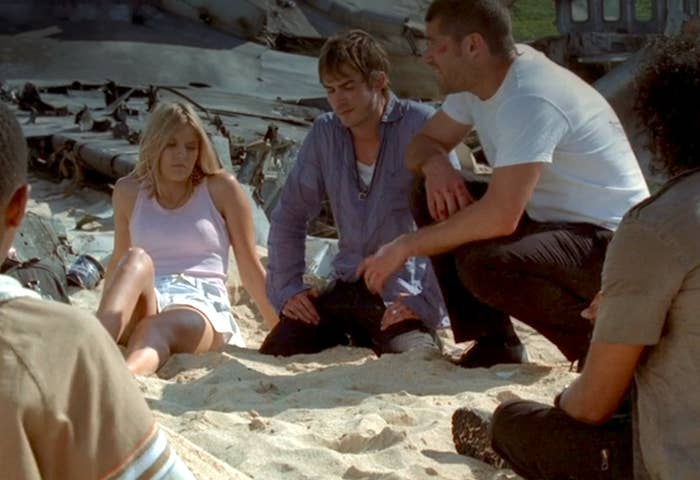
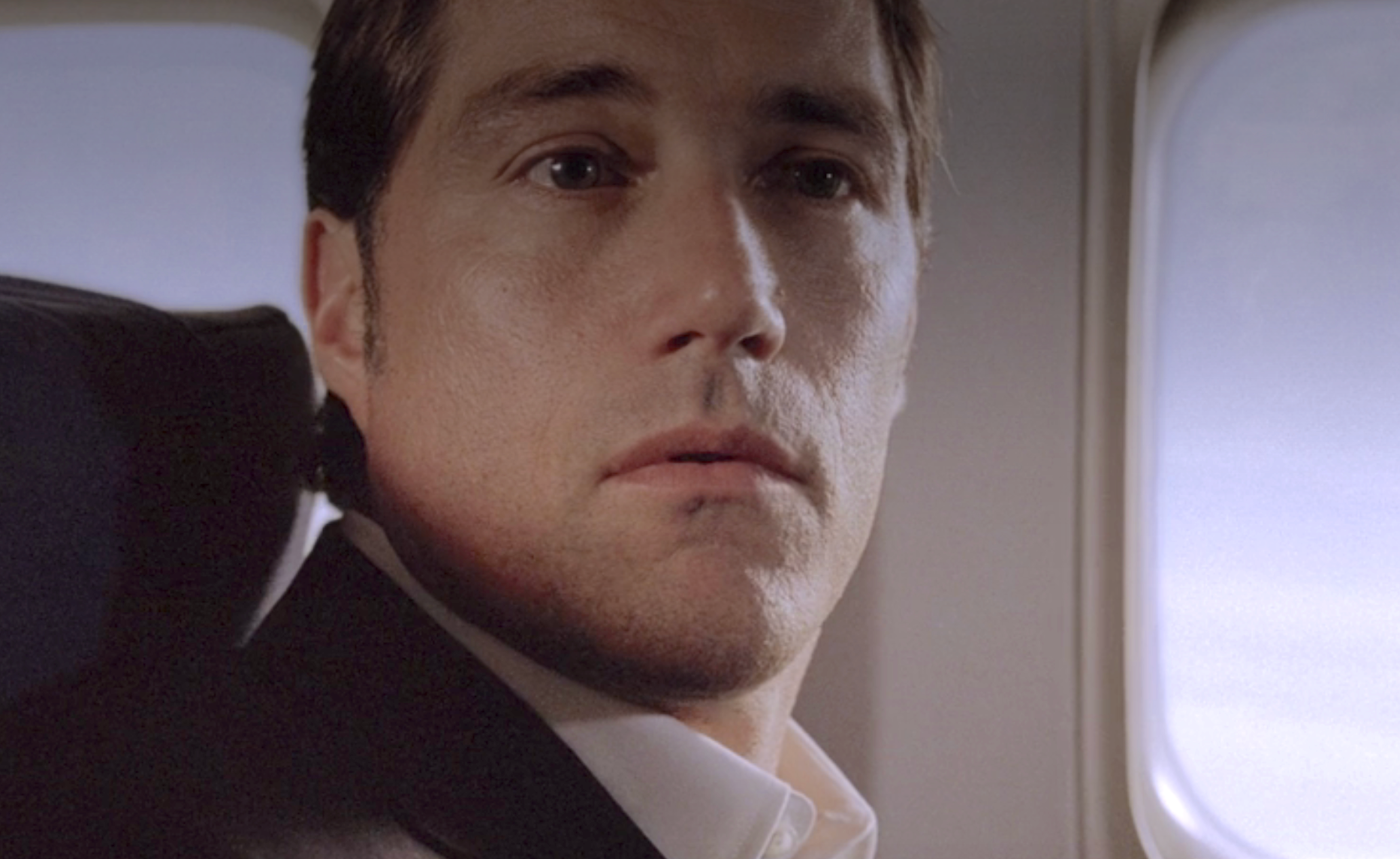
However, at the start of Season 6, this switches to life on the island and a so-called "flash-sideways" timeline that seemingly shows what would have happened to the characters if Oceanic 815 never crashed. The first introduction that we get to this timeline is in the first episode of the season, where we see Jack waking up on the flight seconds before it crashed in the first episode of Season 1, with all the other characters in their positions as fellow passengers.
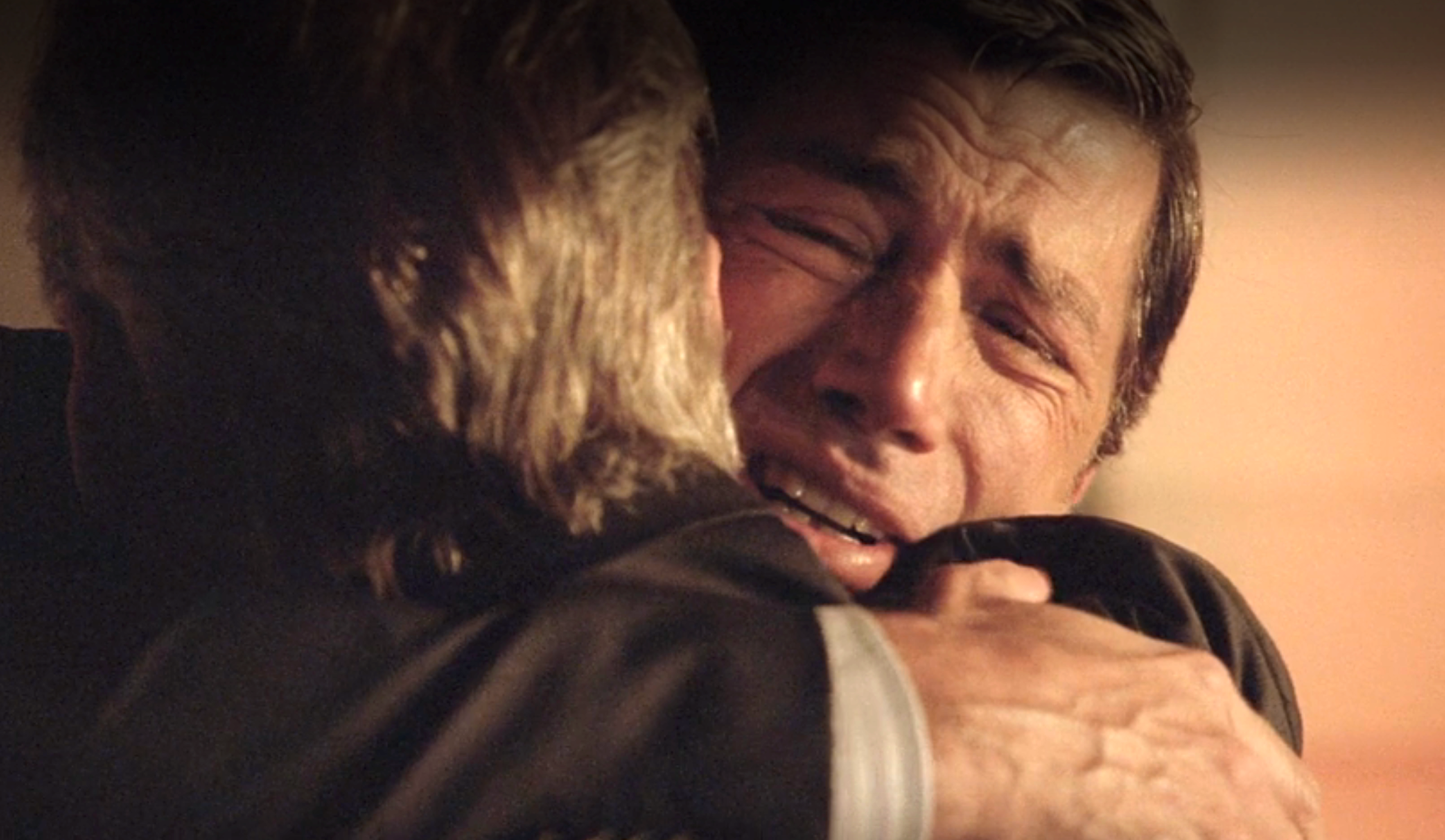
While Island Jack is in the throes of sacrificing his life to protect the island, LA Jack is the only one yet to recall his alternate reality with the rest of the characters when he is lured to the meeting spot by Kate, who he thinks is a total stranger. The location is revealed to be a church, where Jack believes his father’s funeral will be taking place. However, when he opens the coffin in a private room, he discovers it is empty, then Christian appears behind him.

After an emotional embrace, Jack asks if Christian is real, to which Christian explains: “Yeah, I'm real. You're real; everything that's ever happened to you is real. All those people in the church... They're real, too.”
When Jack asks if this means that everybody in the church is dead, Christian drops another key bit of information: “Everyone dies sometime, kiddo. Some of them before you, some long after you.”
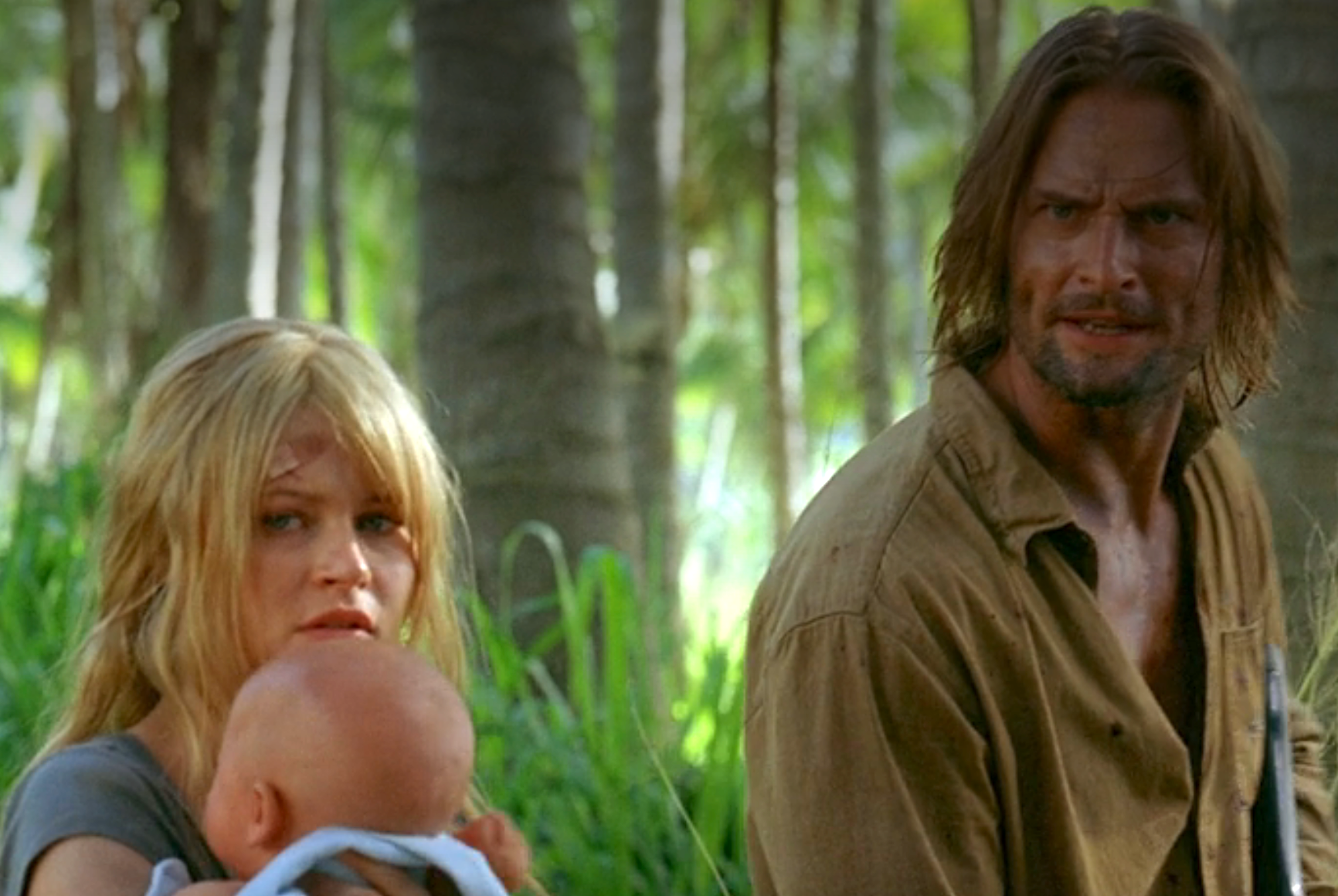
As for why they’re all together now? There’s an answer for that, too! Christian says: “This is the place that you all made together, so that you could find one another. The most important part of your life, was the time that you spent with these people. That's why all of you are here. Nobody does it alone, Jack. You needed all of them, and they needed you… To remember, and to let go.”
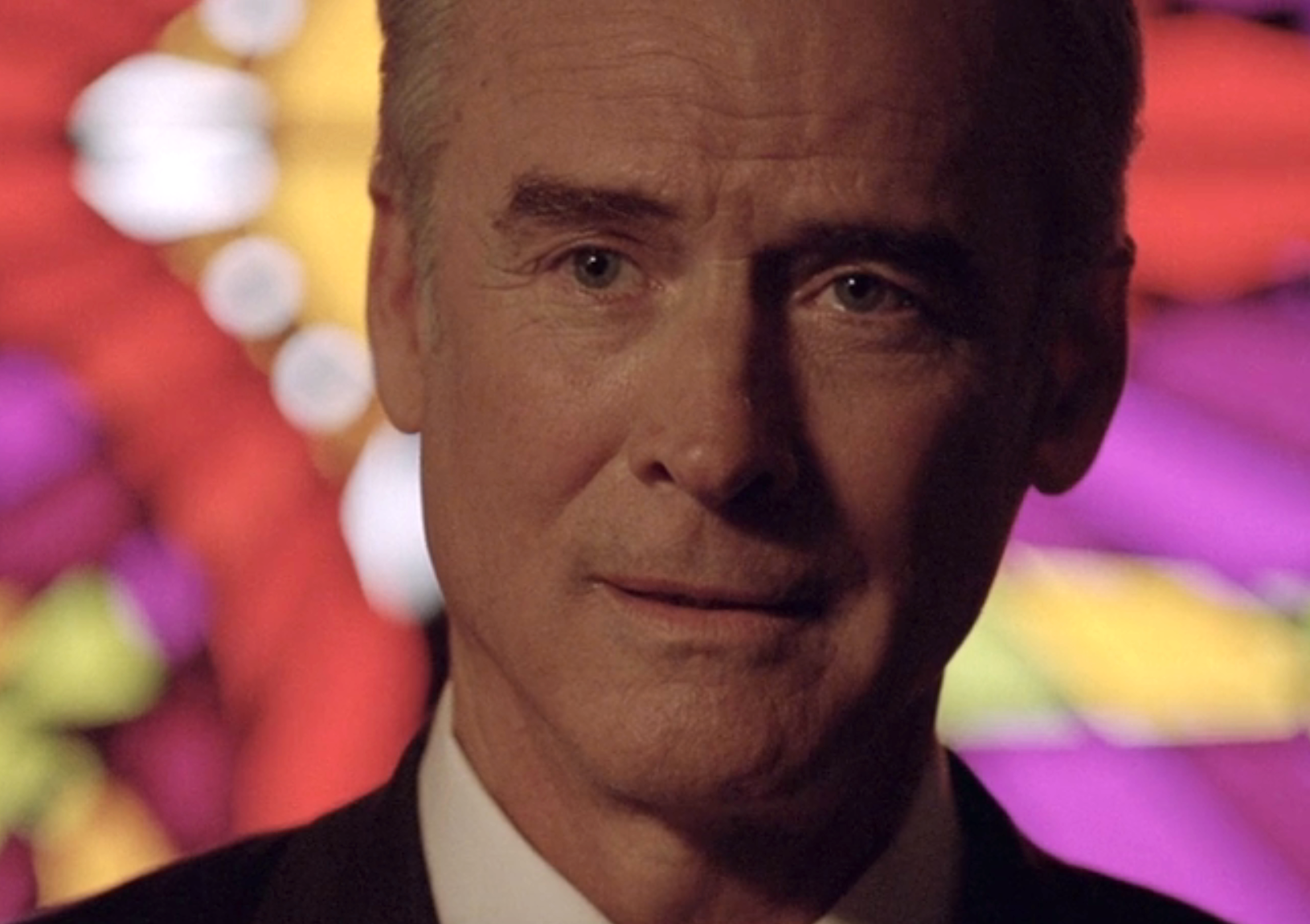
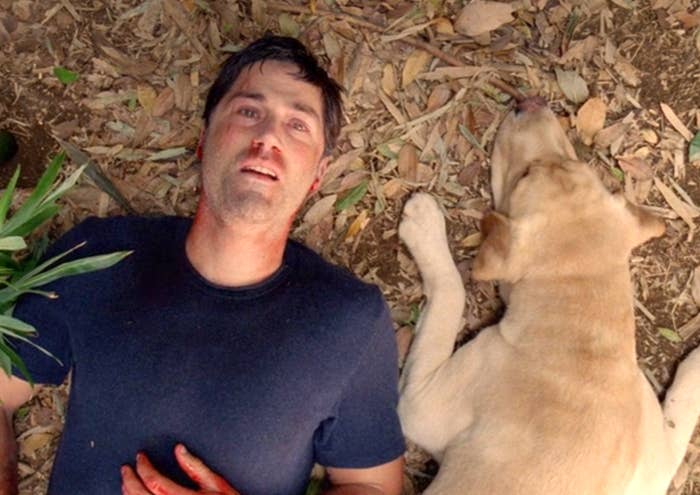
Christian then explains that everybody has come together to “move on,” and when they join the others in the main part of the church, Jack enjoys emotional reunions with them all. As this happens, we dip in and out of the island, where Jack is shown lying on the ground and smiling as he sees the plane carrying Frank, Kate, Sawyer, Richard, Miles, and Claire successfully take off.
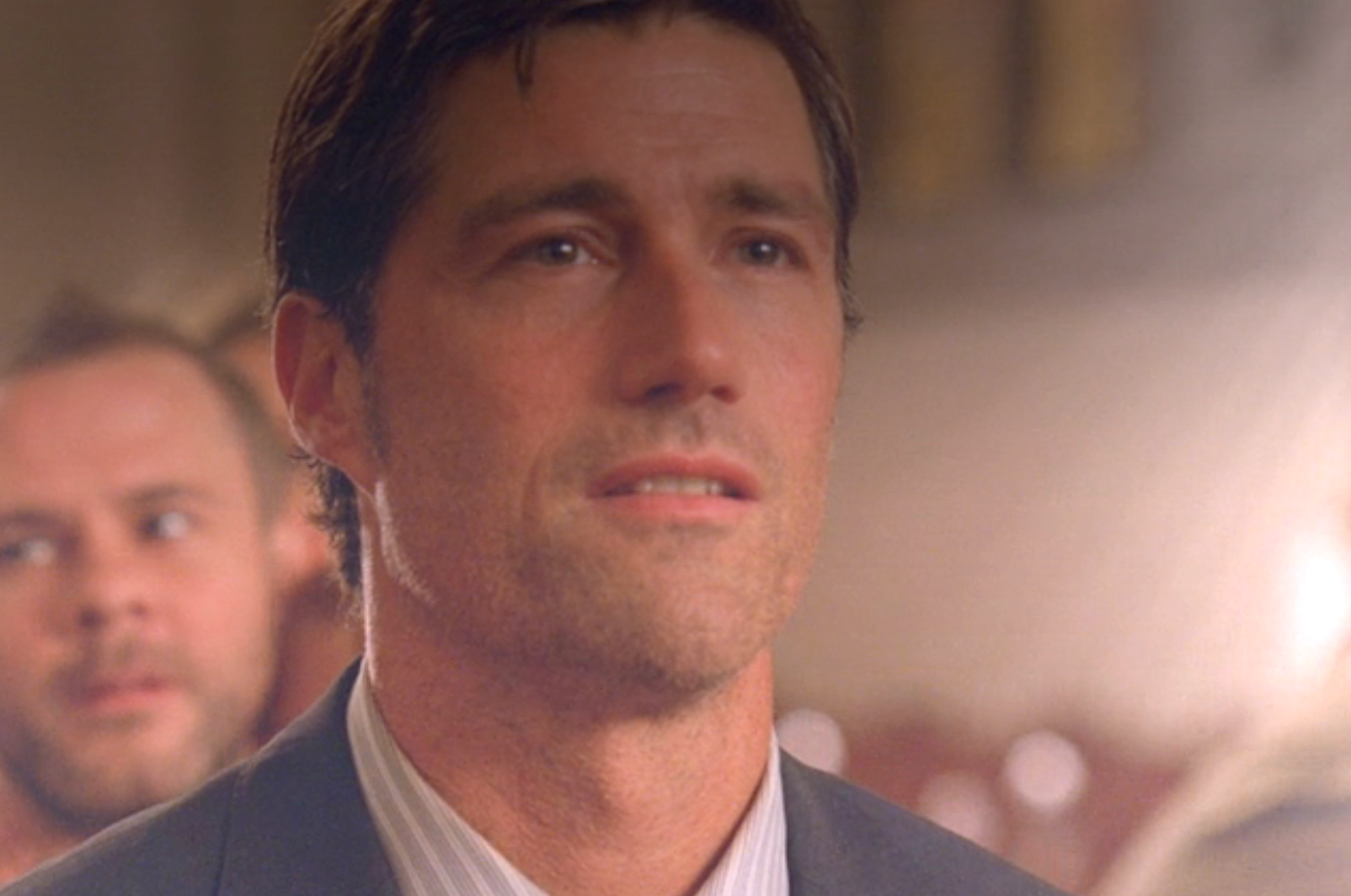
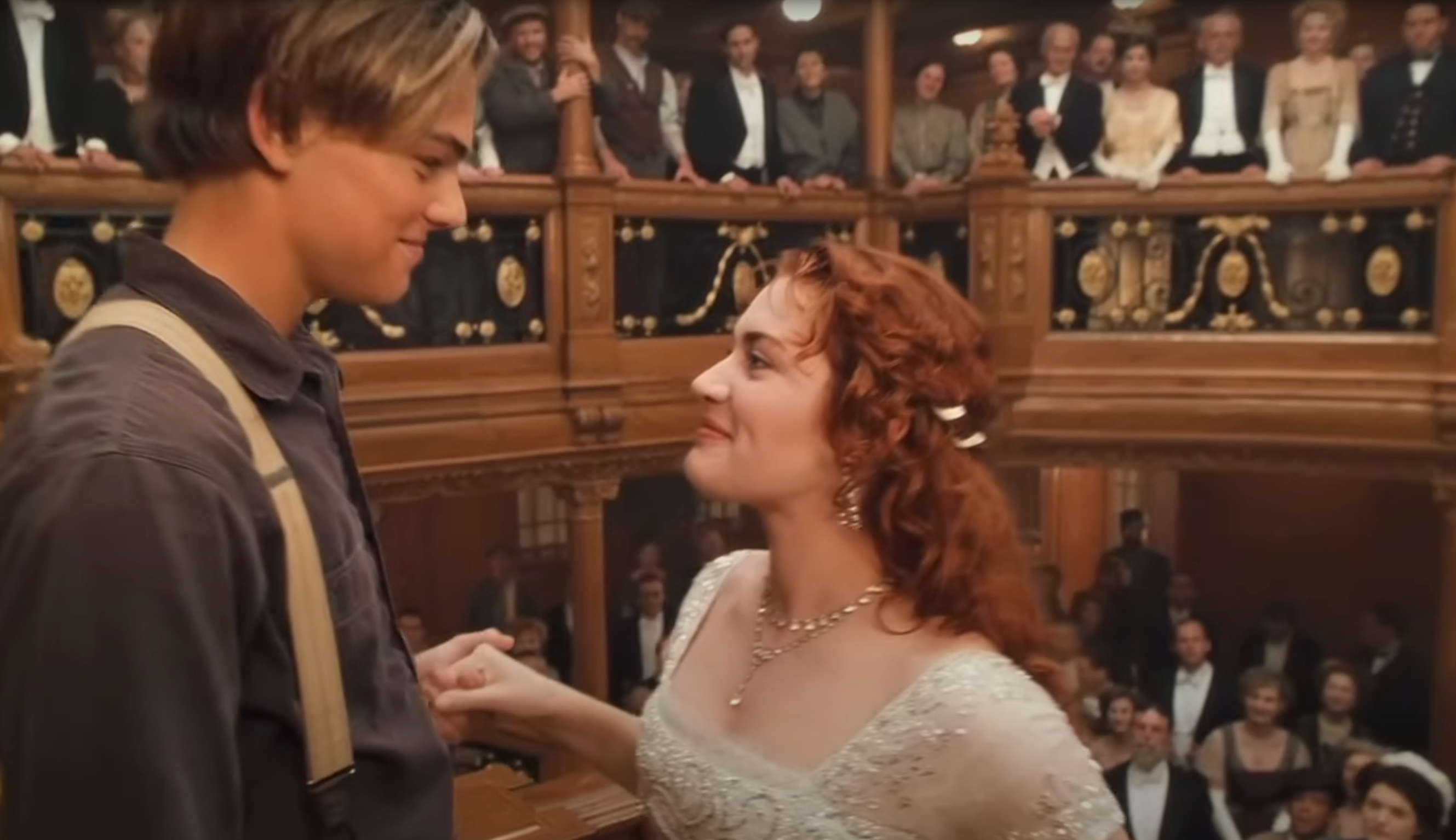
Now, if this wasn’t clear enough for you, then my only comparison would be that the church is akin to the Titanic at the end of Titanic after Rose dies. You know, where she reunites with all of her fellow passengers, namely Jack Dawson, in the afterlife. It’s basically the exact same concept.
While the entire series wasn’t purgatory for the characters, the flash-sideways timeline that is only seen in Season 6 is. The entirety of the last five seasons, as well as everything seen on the island in Season 6, actually happened. But when each character died, they woke up in a type of afterlife where the plane didn’t crash.

And no, this doesn’t mean that they all entered the purgatory state at the same time. As Christian says, some of them died before Jack — like Boone, Charlie, and all of the other characters who died throughout the show. Others passed “long after” he did, which we can assume is a reference to the people we saw safely evacuate the island as Jack died.
Now, is this a perfect ending? Absolutely not. It’s kind of clunky, kind of underwhelming, and it definitely leaves you wanting to know more — like what happened to Kate and Claire, etc., when they got off the island, and how long Hurley and Ben remained on the island as its protectors.
In addition, I would argue that Lost is the kind of show that was made for binge-watching before binge-watching was even a thing. I know that if I had to wait a year for each season, and a week for each episode, I wouldn’t have kept up with the storyline and all of its surrounding mysteries at all — let alone the explanations. Binging means that you are able to keep track of everything that is going on, and maybe that equates to a more seamless viewing experience.
Comments